Stummfilm Film Liste

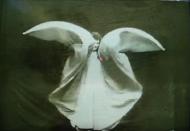
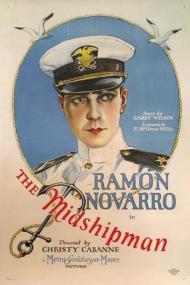
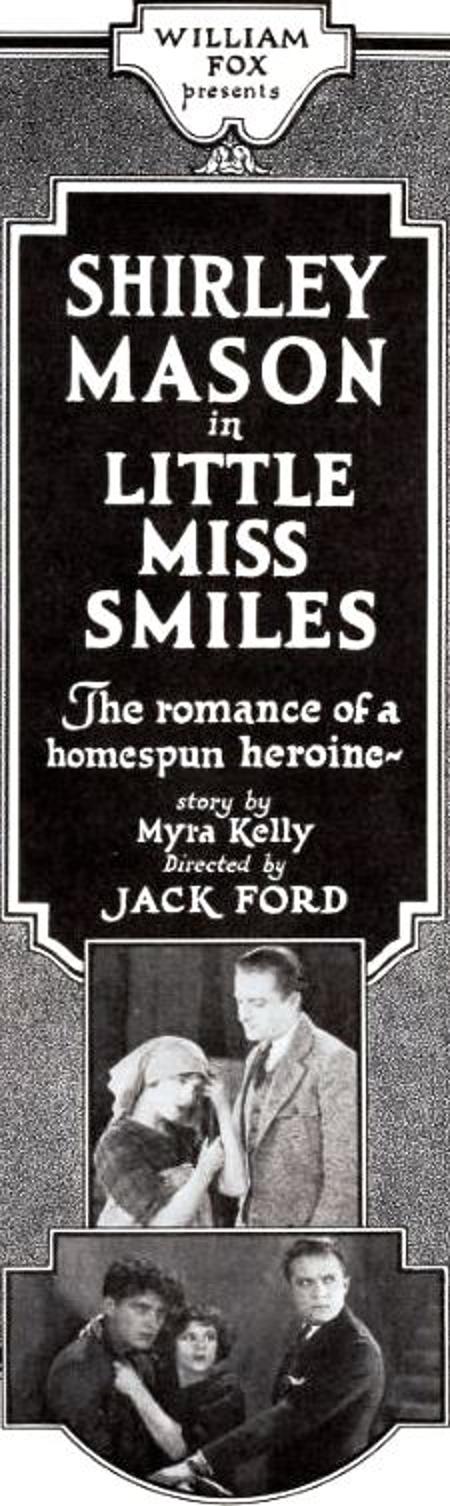
A silent film is a film without synchronized recorded sound (or more generally, no audible dialogue). Though silent films convey narrative and emotion visually, various plot elements (such as a setting or era) or key lines of dialogue may, when necessary, be conveyed by the use of intertitles.
The term "silent film" is something of a misnomer, as these films were almost always accompanied by live sounds. During the silent era, which existed from the mid-1890s to the late 1920s, a pianist, theater organist—or even, in larger cities, an orchestra—would play music to accompany the films. Pianists and organists would play either from sheet music, or improvisation. Sometimes a person would even narrate the inter-title cards for the audience. Though at the time the technology to synchronize sound with the film did not exist, music was seen as an essential part of the viewing experience. "Silent film" is typically used as a historical term to describe an era of cinema prior to the invention of synchronized sound, but it also applies to such sound-era films as City Lights, Modern Times and Silent Movie which are accompanied by a music-only soundtrack in place of dialogue.
The term silent film is a retronym—a term created to retroactively distinguish something from later developments. Early sound films, starting with The Jazz Singer in 1927, were variously referred to as the "talkies", "sound films", or "talking pictures". The idea of combining motion pictures with recorded sound is older than film (it was suggested almost immediately after Edison introduced the phonograph in 1877), and some early experiments had the projectionist manually adjusting the frame rate to fit the sound, but because of the technical challenges involved, the introduction of synchronized dialogue became practical only in the late 1920s with the perfection of the Audion amplifier tube and the advent of the Vitaphone system. Within a decade, the widespread production of silent films for popular entertainment had ceased, and the industry had moved fully into the sound era, in which movies were accompanied by synchronized sound recordings of spoken dialogue, music and sound effects.
Most early motion pictures are considered lost owing to their physical decay, as the nitrate filmstock used in that era was extremely unstable and flammable. Many films were destroyed, because they had negligible remaining financial value in that era. It has often been claimed that around 75 percent of silent films produced in the US have been lost, though these estimates' accuracy cannot be determined due to a lack of numerical data.
Lesen Sie mehr...







Voting Regeln
- Sie können jeden Gegenstand auf der Liste nach oben oder nach unten stimmen. Bitte beachten Sie bei der Abstimmung immer den jeweiligen Kontext, z. B. ein Lied Bezug auf die anderen Lieder auf dem Album, die Leistung eines Schauspielers im Vergleich zu anderen Akteuren in demselben Film, ein Buch in Bezug auf andere Bücher desselben Autors oder innerhalb der gleichen Gattung usw.
- Eine Stimme kann durch einfaches Anklicken der gegenteiligen Bewertung innerhalb von 24 Stunden aufgehoben und neutralisiert werden. Sie können diesen Gegenstand dann erneut bewerten.
- Jeder Nutzer hat eine Stimme für jeden Gegenstand in einer Liste innerhalb von 24 Stunden. D. h., Sie können auch alle Gegenstände in einer Liste bewerten, aber nur mit jeweils einer Stimme. Nach 24 Stunden können Sie wieder stimmen für dieselben Gegenstand in der Liste.
- Sie können einen bestimmten Gegenstand in vielen verschiedenen Listen bewerten. Zum Beispiel können Sie für David Bowie in der Liste der Popmusiker, der Liste der Indierock-Musiker und auf der Liste der Rockmusiker usw. abstimmen, da der Kontext jeweils ein anderer ist.
- Viel Spaß beim Voten!